What a quality parenting coach certification in India should include - curriculum, practice, ethics, career pathways and realistic expectations - plus how to evaluate the Happy Parenting Club approach.
What if your parenting experience could help another family?
Imagine a parent sitting across from you and saying, “I love my child more than anything. But lately, every conversation becomes an argument. I have tried explaining, warning and even shouting. Nothing seems to work. What should I do differently?”
Many parents know how much they care. What they may not know is how to turn that care into communication, boundaries and everyday habits that help their children grow.
Now imagine being the person who can listen without judgement, help that parent understand the situation more clearly, and guide them towards practical next steps.
That is one reason people explore parenting coaching - not simply to learn more about children, but to learn how to support parents in a structured and responsible way.
If you are considering a parenting coach certification in India, this guide explains what parenting coaching involves, what to look for in a training program, and how the Happy Parenting Club certification pathway may fit your goals.
In this guide, you will learn:
• What a parenting coach does - and what the role does not include
• What to look for in a parenting coach certification program
• Why practical training, ethics and feedback matter
• Who may consider parenting coach training
• Possible career pathways and realistic expectations
• How to evaluate online training options from different cities in India
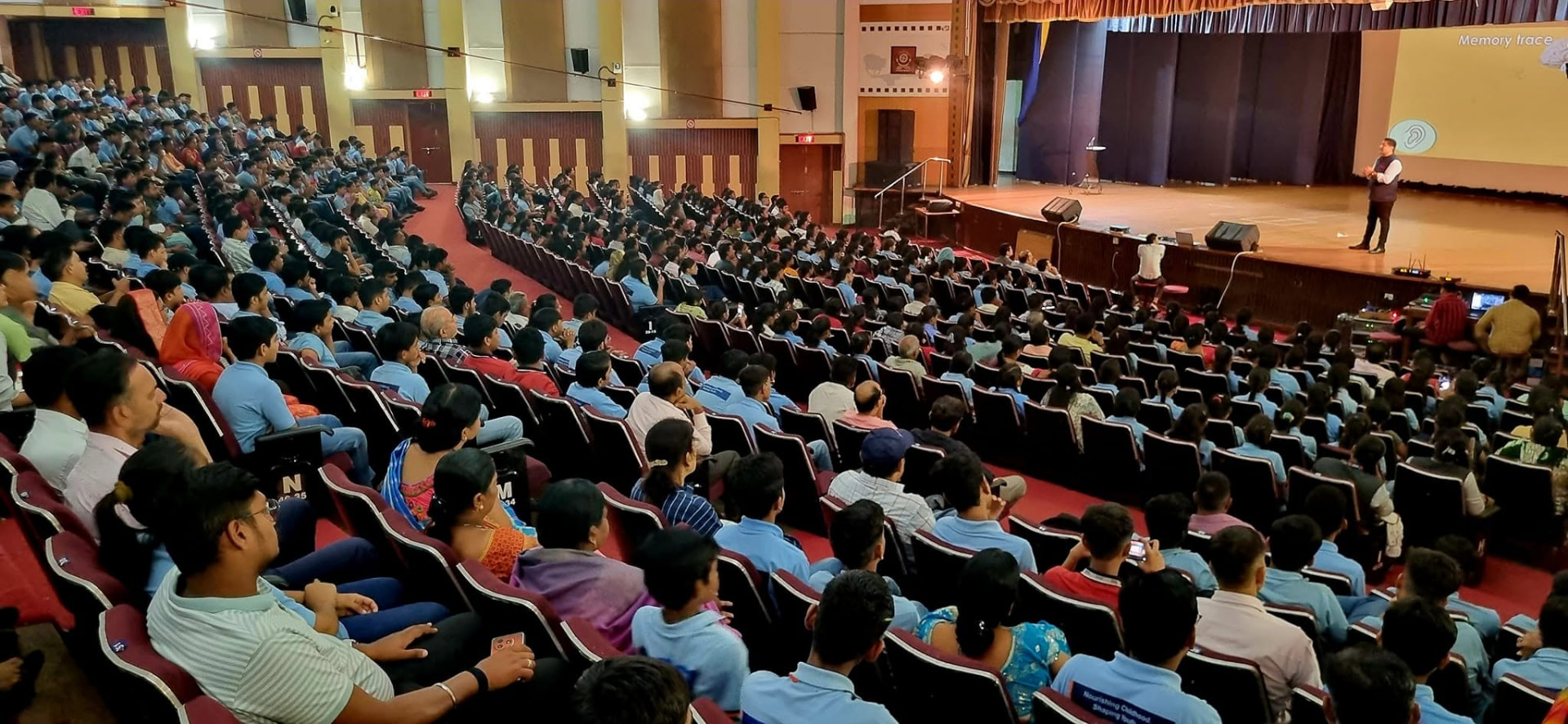
A journey that began with a public event on 15 August 2004
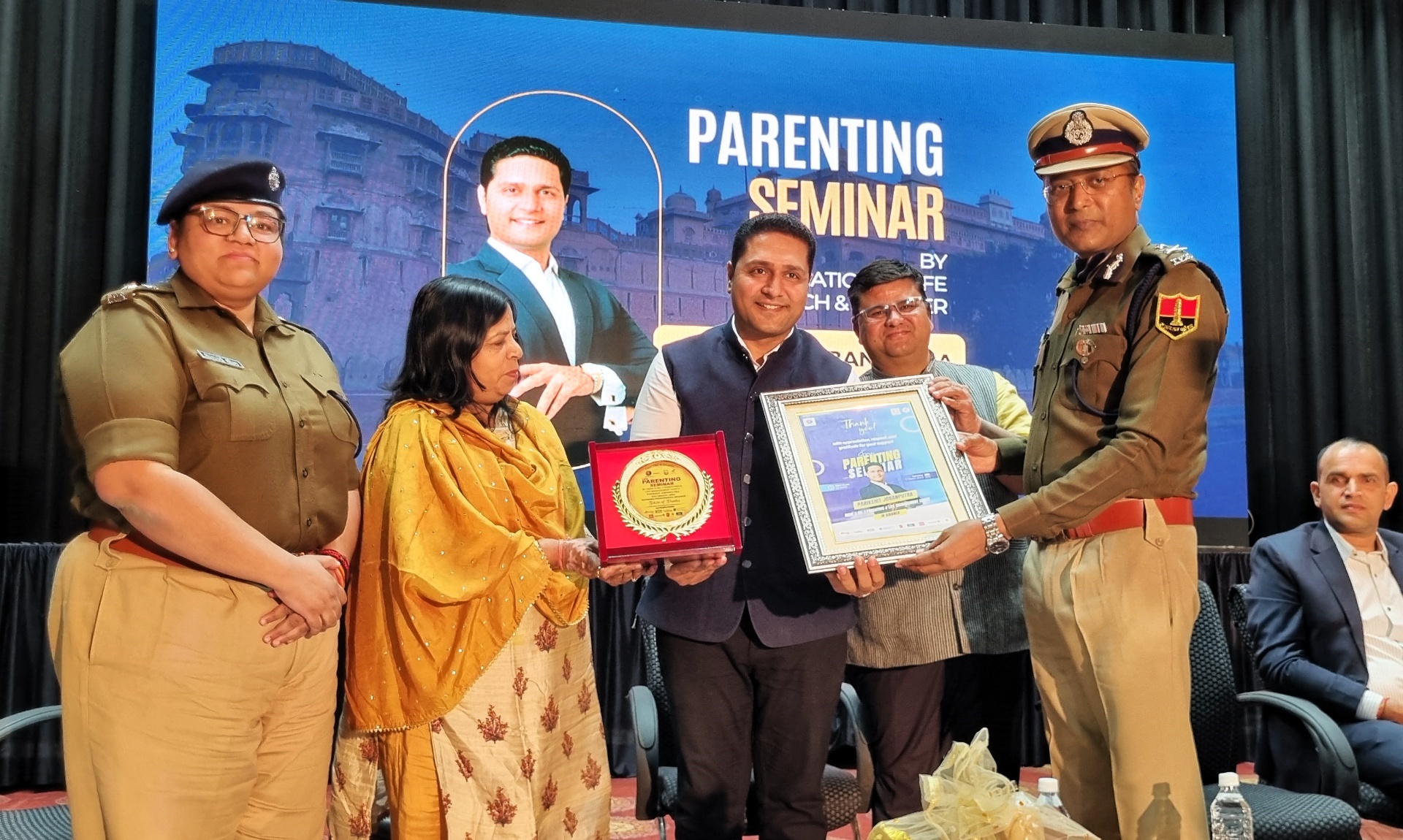
Every meaningful journey has a beginning. For Parikshit Jobanputra, the first official public event in this journey took place on 15 August 2004.
Before that date, there had already been smaller, occasional sessions in schools and residential communities. But 15 August 2004 marked the first official public event - the milestone that gives this journey a clear starting point.
At the time, parenting coaching was not a familiar professional label for most Indian families. Conversations about raising children often focused on discipline, marks, obedience and behaviour. Many parents had questions, but structured parenting education was not always easy to access.
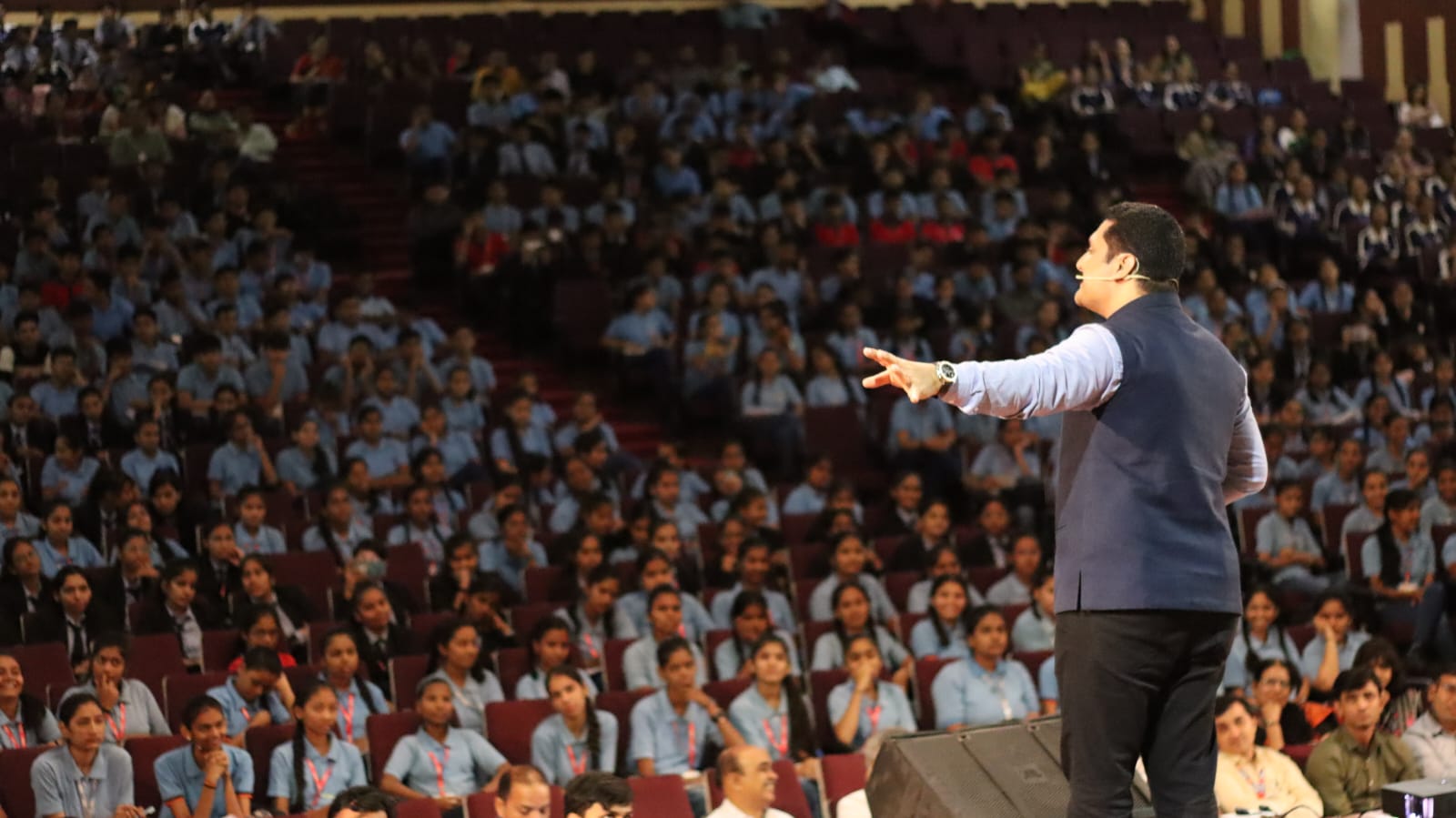
Over the years, Parikshit continued building his work in parenting education, child development and family relationships. As the internet and video platforms became part of everyday life, this work also moved online. His YouTube channel includes parenting videos dating back approximately 14 years and has crossed the one-million-subscriber milestone.
As founder of Happy Parenting Club, Parikshit’s work is built around helping parents raise responsible, happy and successful children, while helping aspiring coaches develop the skills to support families - as one of the early pioneers of parenting coaching in India.
What is parenting coaching?
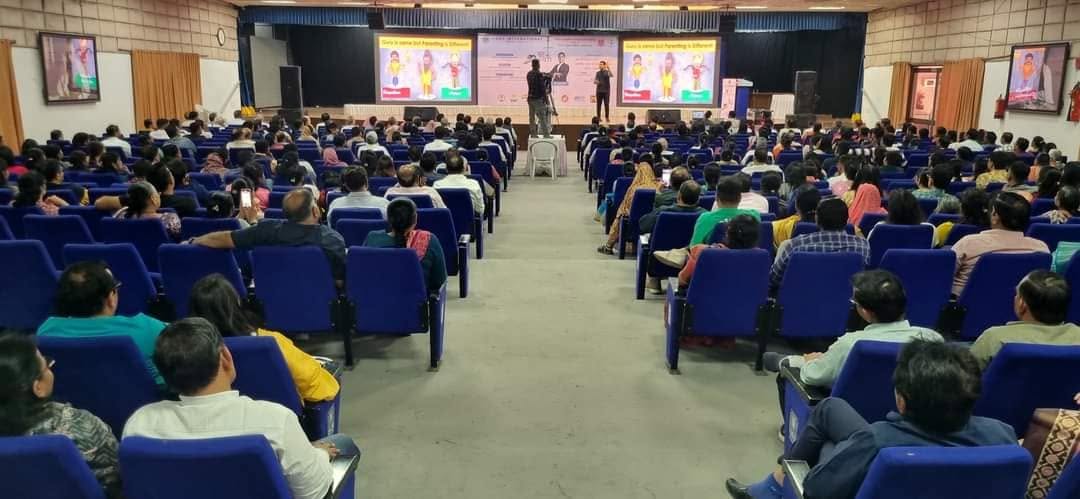
Parenting coaching is a structured process that helps parents reflect on challenges, understand their options and develop practical ways to support their children and family relationships.
Depending on the coach’s training and scope of practice, topics may include:
• Parent-child communication and connection
• Everyday behaviour and positive discipline
• Screen-time routines and digital boundaries
• Study habits, motivation and responsibility
• Pre-teen and teenage communication
• Family routines, expectations and problem-solving
• Helping parents respond more thoughtfully during conflict
A parenting coach does not simply tell every family to follow the same formula. Good coaching starts by understanding the family’s context, listening carefully, agreeing on a goal and identifying realistic next steps.
It is also important to understand the boundaries of the role. A parenting coach certification does not automatically qualify someone as a psychologist, psychotherapist, psychiatrist or licensed healthcare professional. Coaches should not diagnose or treat mental health conditions unless separately qualified and legally authorised to do so. When a family needs clinical or specialist support, responsible coaches refer them to an appropriate professional.
Curious how parenting coaching works and what it takes to develop the skills responsibly? Explore the Free Parenting Coach Certification Webinar
Why consider a parenting coach certification in India?
A person may have years of parenting experience, a teaching background or a strong interest in child development. Those are useful starting points - but professional coaching also calls for communication skills, structured methods, ethical judgement and practice.
A well-designed parenting coach certification program should help learners move beyond general advice and develop a clearer process for supporting parents. When comparing programs, look for training that addresses:
1. Child development and behaviour: understand age-related needs, individual differences and the role of family context.
2. Communication skills: practise active listening, asking thoughtful questions and communicating without judgement.
3. Coaching structure: learn how to clarify a client’s goals, plan a session and review agreed next steps.
4. Practical application: apply concepts through role-play, assignments, case discussions or observed practice where included.
5. Ethics and boundaries: understand confidentiality, consent, safeguarding and when to refer to another professional.
6. Feedback and development: find out how learners receive feedback and how competence is assessed.
7. Business basics, if offered: learn about defining services, communicating value and setting up a responsible practice without promises of guaranteed income.
Do not judge a course only by the certificate design, a famous trainer or an income claim. Ask what you will actually learn, how your learning will be assessed and what support is included.
What should a parenting coach training curriculum include?
1. Child development and the reasons behind behaviour. Children’s behaviour is influenced by developmental stage, temperament, relationships, routines and environment. A good curriculum helps learners explore these factors rather than label every behaviour as “bad” or assume there is one universal explanation.
2. Parent-child connection and communication. Parents may need help listening, setting limits, responding to strong emotions and having difficult conversations. Coaches should learn how to support these discussions while respecting each family’s circumstances and values.
3. Practical tools for everyday parenting challenges. Training may cover screen-time boundaries, homework routines, responsibility, cooperation and parent-teen conflict. The key is to learn when a tool may be appropriate, how to adapt it and how to review whether it is helping.
4. Coaching conversations and session planning. Aspiring coaches should understand how to establish expectations, ask open questions, summarise what they hear, agree on realistic actions and follow up. These are skills to practise - not just concepts to memorise.
5. Indian family and cultural contexts. Families may navigate academic pressure, extended-family expectations, changing technology habits, different languages and diverse beliefs about discipline. Good training encourages cultural awareness without assuming all Indian families are alike.
6. Practice, assessment and feedback. Ask the provider whether the program includes live practice, role-play, case discussions, written assignments, observed sessions, mentoring or supervision.
7. Ethics, safeguarding and professional boundaries. Coaches should understand privacy, informed consent, record handling, child safeguarding and referral pathways - and be clear about what their training does, and does not, qualify them to do.
Who can consider becoming a parenting coach?
Parenting coaching may appeal to people from different backgrounds, including:
• Parents who want to turn their learning into structured support for other families
• Teachers and educators who work closely with children and parents
• Trainers, facilitators and speakers interested in family education
• Qualified counsellors or related professionals who want to add a clearly defined coaching service within their competence
• Working professionals exploring a career transition
• Homemakers and other adults considering a new professional direction
No single background automatically makes someone a good coach. Listening, communication, willingness to learn, ethical judgement and practical competence matter. Admission criteria also vary by program, so check the provider’s current eligibility requirements.
Online parenting coach training for learners across India
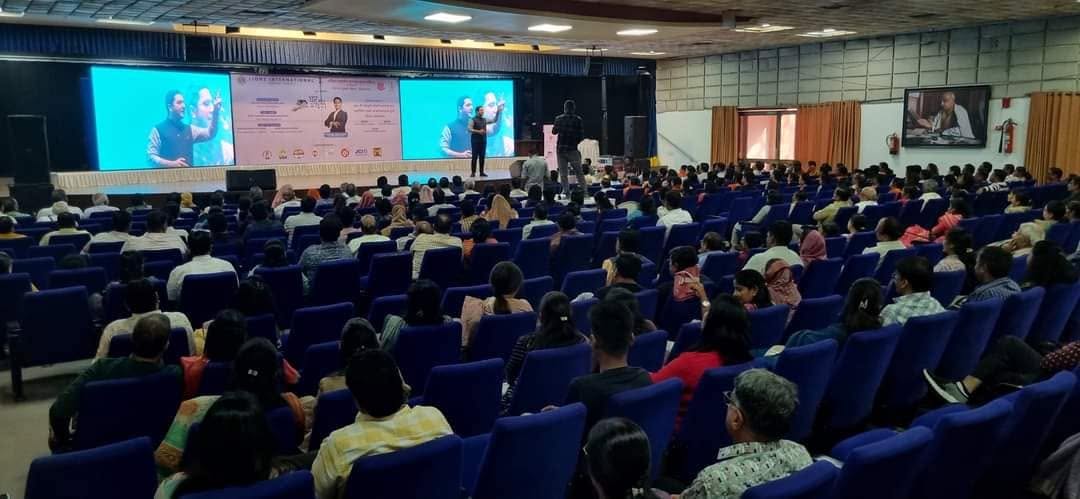
Whether you are searching for parenting coach certification in Mumbai, parenting coach training in Delhi, a parenting coach course in Ahmedabad, or training options in Pune, Bengaluru or Jaipur, begin by checking the program’s delivery format and eligibility requirements.
If the program is available online nationwide, learners may be able to attend from different cities without travelling to a physical classroom. Confirm the current schedule, language, live-session format and support options before enrolling.
It is useful to distinguish two searches: “parenting coach in Mumbai” may mean a parent wants to hire a coach, while “parenting coach certification in Mumbai” usually means someone is exploring training to become a coach. This article focuses on the second - it does not imply a physical office in every city mentioned.
Is parenting coaching a growing field in India?
Interest in parenting education is visible in the questions families ask about children’s behaviour, screen use, study routines, emotional well-being and teenage communication. Digital platforms have also made it easier for educators to share learning with families across locations.
However, a reliable nationwide growth rate specifically for the parenting coaching market in India is not established by the general market reports we reviewed.
One published industry estimate from Allied Market Research valued India’s broader online coaching market at US$231.6 million in 2023 and projected a 14% compound annual growth rate from 2024 to 2034. This category includes academic, corporate and other coaching; it is not a specific estimate for parenting coaching.
For aspiring coaches, the practical takeaway is simple: explore whether there is a real need for the services you want to provide, understand your audience, build competence and validate your model instead of relying on a headline about market growth.
Can you build a career as a parenting coach?
Parenting coaches may work through individual coaching, parent workshops, group learning, online educational programs or collaborations with schools and community organisations, where appropriate and within their competence.
Your path will depend on your background, the services you choose to offer, the families you want to support, your available time and the trust you build.
Certification alone does not guarantee clients, employment or a particular income. Earnings vary with experience, service quality, pricing, demand, referrals, business skills and time invested.
If your goal is to build a professional practice, consider these steps:
1. Learn the foundations and understand your professional boundaries.
2. Practise your communication and coaching skills and seek feedback.
3. Define the specific parent group and challenges you are prepared to support.
4. Create a clear service description, fee structure and client agreement - see Join the FREE Parenting Coach Webinar - How to Set Your Parenting Coaching Fees in India.
5. Build trust through useful educational content and ethical outreach.
6. Review feedback and keep learning; refer clients when their needs fall outside your competence.
Ready to learn more? Reserve Your Free Parenting Coach Certification Webinar Seat
How to evaluate the Happy Parenting Club certification pathway
Happy Parenting Club offers a parenting-coach training pathway associated with Parikshit Jobanputra’s work in parenting education and child development. Before enrolling, review the current program information and confirm:
• The curriculum and learning outcomes
• Program duration and delivery format
• Practice, assignments and assessment requirements
• Mentoring, feedback or supervision, if included
• Certificate wording and the organisation issuing it
• Any accreditation or external recognition, including the recognising body
• Eligibility criteria, fees, renewal terms and additional costs
• What support is available after training
Do not assume every private certification is a government-recognised qualification. Any claim of accreditation or eligibility to provide regulated services should be checked with the named organisation or relevant authority.
A good decision comes from understanding the actual learning experience and deciding whether it fits your goals - not from urgency or an implied guarantee of career results.
Final thoughts: turn your interest in parenting into responsible support for families
The journey that began with an official public event on 15 August 2004 has continued through live sessions, educational programs and parenting videos shared online over many years.
For Parikshit Jobanputra and Happy Parenting Club, the larger purpose is to help parents raise responsible, happy and successful children - and to encourage aspiring coaches to approach this work with knowledge, care and responsibility.
If parenting coaching is a path you are considering, take time to understand the profession, examine the training carefully and choose a learning pathway that values practical competence as much as inspiration.
Explore the free Parenting Coach Certification webinar to review the training approach and decide whether it is the right next step for you.
Related Reading
→ Start Your Parenting Coach Career in India: From Training to Your First Clients
→ Parenting Coach Certification in India: What to Check Before You Join
→ Parenting Coach Career for Mothers: Start From Home
→ Part-Time or Full-Time Parenting Coach?
→ Join the FREE Parenting Coach Webinar - How to Set Your Parenting Coaching Fees in India
→ Why Teachers and Principals Should Become Parenting Coaches
"Connection before correction. Awareness before advice. Love before lesson."
- Parikshit Jobanputra, 22+ years of parenting coaching
Frequently Asked Questions
It is a training program intended to develop knowledge and skills for supporting parents through coaching and parenting education. The value of a particular certificate depends on its curriculum, assessment, standards, trainer and recognition.
Start by learning about the role and its professional boundaries. Compare training programs, review their curriculum and practical requirements, and choose one that matches your background and goals. Build experience responsibly and refer families to qualified specialists when needed.
People in Mumbai, Delhi and other Indian cities can explore programs that offer online access, subject to the provider’s actual format and eligibility criteria. Confirm whether sessions are online, in person or hybrid before enrolling.
Requirements depend on the program and the services you intend to provide. Check the program’s written eligibility rules. A parenting coach certificate does not replace qualifications or licences required for clinical or regulated professional work.
Program duration varies. Check the current provider information for teaching hours, practice requirements, assessment and the conditions for completing the certification.
Online sessions and educational workshops may be options when suitable. Coaches should protect privacy, obtain appropriate consent, use secure processes and work within their competence.
No. A certificate alone cannot guarantee clients, employment or earnings. Outcomes depend on several factors, including experience, services, demand, reputation and business development.
Compare curriculum, trainer experience, practical learning, feedback, ethical standards, certificate terms, fees and post-training support. Verify any claims about accreditation or recognition directly with the named organisation.
Happy Parenting Club
- Parikshit Jobanputra
Join the Conversation
Share your thoughtsLoved a takeaway? Have a question? Drop a comment below - Parikshit personally reads every thoughtful response.
Join the FREE "Become a Certified Parenting Coach" Webinar
One live session with Parikshit Jobanputra - 22+ years, 50,000+ families, Times Applaud Trendsetter Award 2024. Learn what a parenting coach does, how certification works, and how to start part-time or full-time.