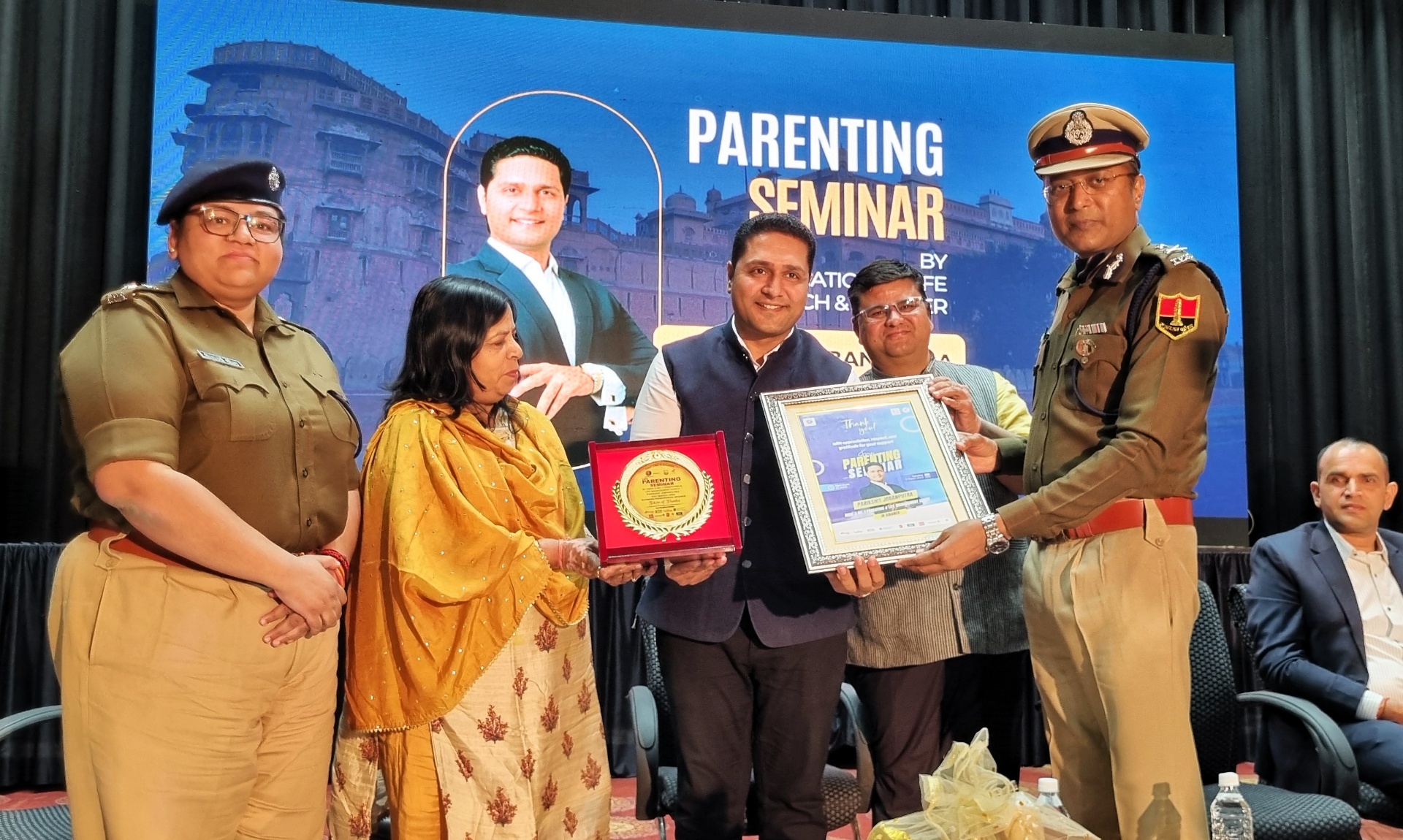
India's leading parenting coach reveals the complete, step-by-step path to becoming a certified parenting coach in India — including training, certification, business model, and income potential.
Twenty-two years ago, when I began this work, there was no category called "parenting coach" in India. There were child psychologists. There were school counselors. There were pediatricians who occasionally offered parenting advice. But a professional whose specific, dedicated role was to coach parents — to help healthy, well-intentioned parents become more effective and more fulfilled in the work of raising children — this did not exist as a recognized profession.
I know, because I had to build it from nothing.
I studied child development, neuroscience, behavioral psychology, ancient Indian wisdom traditions, and the work of the world's leading family researchers. I created frameworks that were specific to Indian cultural realities — the joint family dynamics, the academic pressure system, the cultural relationship with authority and emotional expression. I tested everything in real sessions with real families. I built a program that worked.
And over 22 years and 50,000+ families, I watched one truth become unmistakable:
India desperately needs trained, certified parenting coaches — and the demand is only growing.
India has over 250 million children under the age of 14. The challenges parents face — digital addiction, academic anxiety, emotional dysregulation, family conflict, identity development in a rapidly changing culture — have never been more complex. And the traditional support systems — extended family wisdom, community guidance, religious frameworks — are eroding faster than new systems are emerging to replace them.
The gap between what parents need and what is available to them is enormous. And every certified parenting coach who enters this field serves families that would otherwise navigate alone.
What Does a Certified Parenting Coach Actually Do?
This is the question I get most often — and I want to answer it with complete clarity, because there is genuine confusion in the market.
A parenting coach is not a therapist. We do not diagnose, treat, or manage mental health conditions. We do not work with children directly as clients.
A parenting coach works with mentally healthy parents to help them become more effective, more connected, and more confident in their parenting. We work at the intersection of child development education, behavioral coaching, and family systems awareness.
Specifically, certified parenting coaches:
Provide psycho-education: Teaching parents the neuroscience and developmental psychology that underlies child behavior — so they understand why their child does what they do, and can respond with knowledge rather than frustration.
Coach behavioral challenges: Helping parents navigate screen time addiction, tantrum management, sibling conflict, homework resistance, teenage withdrawal, and dozens of other common challenges with specific, evidence-based strategies.
Build communication skills: Teaching parents how to have different kinds of conversations with children at different developmental stages — in ways that build connection rather than resistance.
Support family transitions: Divorce, new siblings, relocation, school changes, bereavement — any significant transition that affects family dynamics.
Run workshops and group programs: Parenting workshops for schools, corporates (as part of employee wellness), community organizations, NGOs, and online communities.
The market for certified parenting coaches in India includes individual families, private and international schools, large corporates with family benefits programs, and a growing online education market.
Who Becomes a Parenting Coach?
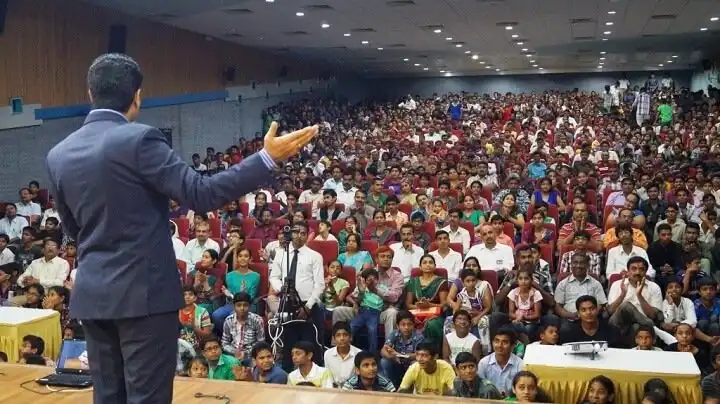
In my Happy Parenting Club Master Coach Certification program, I have trained over 1,000 certified parenting coaches. Their backgrounds are extraordinarily diverse.
Teachers and school counselors who want to extend their impact beyond the classroom into the home environment — reaching parents who often determine whether the school's work succeeds or fails.
Parents whose own transformation inspired them. These are often my most powerful coaches — people who came to my programs struggling, experienced a profound shift, and felt called to share that possibility with other parents. Their personal testimony carries authenticity that no credential can replicate.
Psychologists and mental health professionals who want to add a specialized, non-clinical coaching dimension to their practice — serving the enormous population that doesn't need therapy but does need structured parenting support.
Homemakers who have deep knowledge, lived experience, and genuine passion for this work, and who want to build a professional identity and income stream around their calling.
Corporate professionals — HR managers, L&D professionals, senior managers — who are drawn to work that carries meaning and want to either add parenting coaching to their professional portfolio or transition to it full-time.
There is no single right background. The most important qualifier is genuine care for children and families — and a commitment to professional, structured training.
Income Potential: Honest Numbers
I am going to give you real numbers — because vague claims of "unlimited income potential" help no one make an informed decision.
Newly certified parenting coach, part-time (first 6 months): Working part-time — 10–15 hours per week — through a combination of individual sessions, small group workshops, and introductory online programs, a newly certified coach can realistically earn ₹30,000 to ₹80,000 per month within 6 months of certification.
This assumes: active networking within their community, consistent online presence, and at least one group workshop offered per month.
Established parenting coach, full-time (year 2–3): A coach who has built an online presence, a small community, and a combination of live programs and recorded courses can earn ₹2 lakh to ₹5 lakh per month sustainably.
Advanced parenting coach with a scaled model (year 3+): Coaches who build their own community programs, certification offerings, school partnerships, or corporate wellness contracts can earn ₹5 lakh to ₹10 lakh+ per month.
Several coaches I have personally trained and certified have crossed these numbers. I share this not to create unrealistic expectations but to establish that this is a legitimate, scalable profession — not a hobby.
In my 10-10-10 coaching model — which I teach in my Master Coach program — the structure is: 10 days of 1-to-many programs (workshops, webinars, group sessions), 10 days of 1-to-1 coaching, and 10 days for self-growth and business development. This model creates the income stability and the personal sustainability that allow coaches to thrive long-term.
As I tell coaches: "Time + Money = Freedom. Smart work, not hard work. Ek baar course record karo, baar baar becho — raat ko so bhi rahe ho aur income aa rahi hai."
What to Look for in a Certification Program
Become a Certified Parenting Coach
Join India's leading parenting coach Parikshit Jobanputra for a FREE live Parenting Coach Certification Masterclass — skills, frameworks & the business roadmap to earn ₹1 lakh+ per month helping families.
Not all parenting coach certifications are equal. Here is what to evaluate:
Depth of curriculum: Does it cover child development across all age ranges — toddler, school age, pre-teen, teenager? Does it include neuroscience, not just anecdotal advice? Does it prepare you for the business of coaching, not just the content?
India-specific training: Parenting challenges in India have specific cultural dimensions — joint family dynamics, academic pressure, gender expectations, economic diversity — that Western certification programs do not address. A certification built entirely on Western research has significant blind spots for the Indian context.
Credibility of the trainer: How many years of direct family coaching experience? How many families worked with? What are the measurable outcomes? What is the trainer's own standing in the field?
Community and ongoing support: Certification is the beginning, not the end. You need a community of fellow coaches for case consultation, business support, and continued learning. A certification without a community leaves you professionally isolated.
Business training: Many coaching programs teach excellent content but leave coaches completely unprepared to build a business. Look for programs that explicitly teach how to attract clients, price services, market online, build community, and create sustainable income streams.
Your First 90 Days as a Newly Certified Coach
I want to give you a practical roadmap for the period immediately after certification — because this is where many newly certified coaches stall, uncertain how to translate knowledge into a functioning practice.
Days 1–30: Build Your Foundation. Define your specific niche within parenting coaching — toddler behavior, teenage communication, academic anxiety, screen time, or a broader generalist practice. Create your professional presence: a simple website or even a well-structured Instagram profile that communicates who you serve and how you help. Begin sharing content consistently — not to sell immediately, but to establish visibility and credibility in your community.
Days 31–60: Find Your First Clients. Your first clients will almost always come from your existing network — people who know you, trust you, and have seen your transformation or your training. Offer a small number of discounted or pilot sessions in exchange for honest feedback and testimonials. These early relationships are not just income — they are the proof points that will anchor your future marketing.
Days 61–90: Build Your First Group Offering. Once you have individual client experience, design a small group workshop — even just 5–8 parents — around a specific, well-defined topic. Group programs are where sustainable income begins to emerge, because they allow you to serve multiple families simultaneously while charging appropriately for your expertise.
This 90-day structure mirrors what I have seen work most consistently across the 1,000+ coaches I have personally trained. It is not about moving fast. It is about moving with structure.
The Mission Behind the Profession
I want to close this guide with something beyond the practical mechanics of certification and income.
Becoming a parenting coach is, at its core, a multiplication of impact. Every family you support doesn't just benefit themselves — the patterns you help interrupt and the wisdom you help build get passed forward, into how that family's children eventually parent their own children.
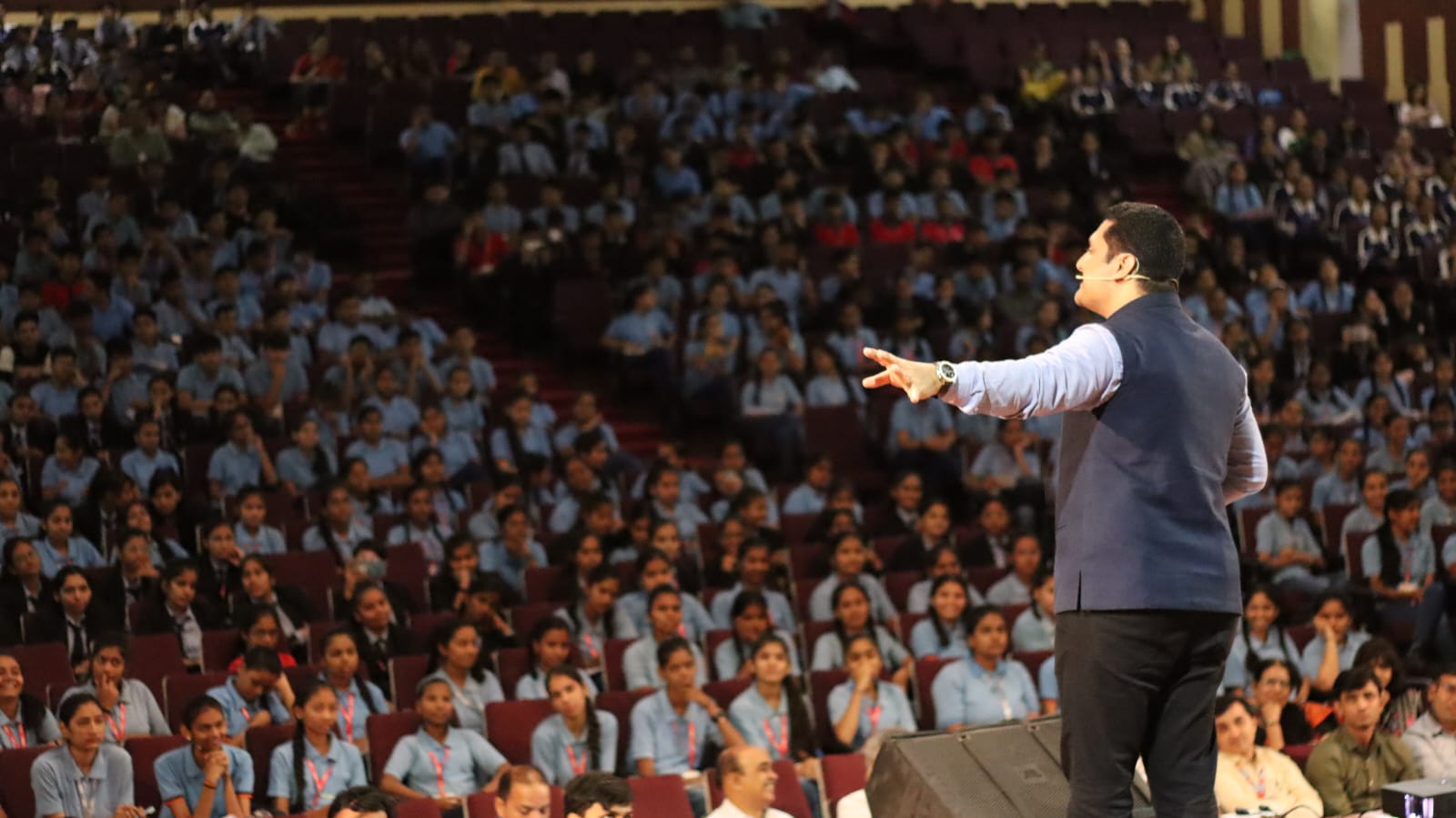
I set out, 22 years ago, with a goal: to train 10,000 certified parenting coaches across India, each carrying this multiplying impact into their own communities. Every coach I certify is not just building a career. They are participating in a movement to change how an entire generation of Indian children experiences childhood.
If that mission resonates with you — if you feel the pull toward this work — I want to encourage you to take the first step. Not because it is easy. Because it matters.
"Connection before correction. Awareness before advice. Love before lesson."
— Parikshit Jobanputra, 22+ years of parenting coaching
Frequently Asked Questions
Complete a recognized certification program, practice with real families, build your coaching framework, and establish credibility through testimonials and community presence.
Certified parenting coaches in India typically earn between ₹30,000–₹3,00,000+ per month depending on experience, specialization, and business model.
Yes — demand is growing rapidly. With 25+ crore parents in India and increasing awareness, certified parenting coaches are entering a high-growth profession.
Happy Parenting Club
— Parikshit Jobanputra
Join the Conversation
Share your thoughtsLoved a takeaway? Have a question? Drop a comment below — Parikshit personally reads every thoughtful response.
Become a Certified Parenting Coach
Join India's leading parenting coach Parikshit Jobanputra for a FREE live Parenting Coach Certification Masterclass — skills, frameworks & the business roadmap to earn ₹1 lakh+ per month helping families.