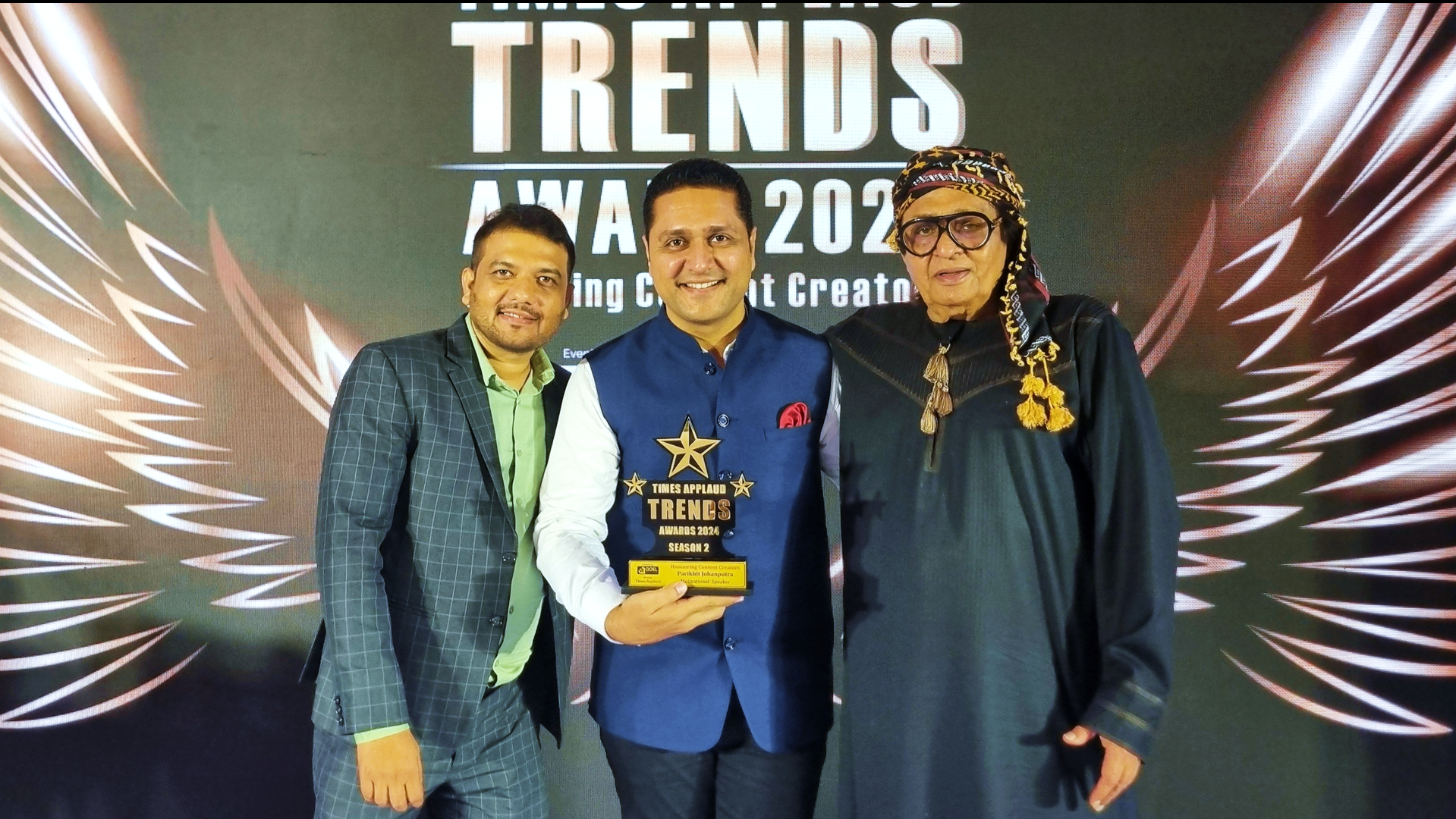
Want to become a certified parenting coach in India? India's leading parenting coach Parikshit Jobanputra reveals what parenting coaches do, the skills required, income potential, common mistakes, and the exact step-by-step path to certification in 2026.
India is in the middle of a parenting crisis - and most parents don't even have a name for what they're going through.
Sleepless nights over screen addiction. Constant battles over homework. Teenagers who have shut down emotionally. Parents who were never parented well themselves, now expected to raise confident, emotionally intelligent children in a world that changes faster than any parenting book can keep up with.
The demand for trained, certified parenting coaches has never been higher. And the supply? Critically low.
If you've ever felt a pull toward helping families - whether you're a teacher, a counsellor, a homemaker, a working professional, or a parent yourself - this guide will walk you through everything you need to know about becoming a parenting coach in India in 2026.
What Does a Parenting Coach Do?
A parenting coach is a trained professional who works with parents (not children directly) to help them understand child behavior, improve family communication, build emotional connection, and develop practical parenting strategies rooted in child psychology and brain science.
Think of a parenting coach as a GPS for the parenting journey - they don't drive for you, but they help you navigate so you stop going in circles.
A parenting coach helps parents understand why their child behaves the way they do (tantrums, defiance, withdrawal, anxiety), shift from reactive parenting to conscious intentional parenting, improve communication especially with teenagers, build a stronger emotional bond with their child, handle specific challenges like screen addiction, exam pressure, sibling rivalry and low self-esteem, and align as a parenting team with both partners on the same page.
What a parenting coach does NOT do: diagnose or treat mental health conditions (that's a clinical psychologist's domain), work directly with children in a therapeutic capacity, or give one-size-fits-all parenting advice.
Parenting coaching is about sustainable behavior change in the parent, which naturally leads to transformation in the child. It is preventive, empowering, and deeply practical.
Why Parenting Coaches Are in Demand in 2026
The need for parenting coaches in India is not a trend. It is a structural shift - driven by changes in family systems, technology, and mental health awareness.
1. The Nuclear Family Reality - The joint family system that once provided built-in parenting wisdom through grandparents and extended family has largely dissolved in urban India. Today's parents are navigating complex parenting challenges in isolation. A parenting coach fills the mentorship gap that family systems used to provide.
2. The Digital Parenting Crisis - Mobile addiction, YouTube obsession, gaming disorders, social media comparison, cyberbullying - these are 21st century parenting challenges that no previous generation has faced. Parents are struggling without a roadmap, and coaches who specialize in this space are in extremely high demand.
3. Post-COVID Mental Health Awareness - The pandemic forced India to have a long-overdue conversation about mental health. Parents began recognizing the connection between their own emotional state and their children's behavior. This awareness has translated into an active demand for professional parenting support.
4. Academic Pressure at an All-Time High - India's competitive education environment creates enormous pressure on both children and parents. Anxiety, burnout, low motivation, and poor study habits are problems families are desperately seeking expert help for.
5. A Booming Coaching Economy - India's online coaching and education market is growing rapidly. Parents in Tier 2 and Tier 3 cities now have equal access to online parenting coaches. Geographic barriers no longer limit who you can help - or how much you can earn.
Key Skills Required to Become a Successful Parenting Coach
Becoming a parenting coach is not just about knowing child psychology - it is about translating that knowledge into practical, compassionate guidance that real parents can use in real life.
1. Deep Understanding of Child Development - You need a solid grasp of how children's brains develop from birth to adolescence, including emotional regulation, the nervous system, attachment theory, and age-appropriate behavior expectations. Without this foundation, your coaching is just opinion.
2. Active Listening and Empathy - Parents come to a coach carrying guilt, frustration, and fear. Your ability to listen without judgment and make parents feel truly heard before offering any guidance is what builds trust and drives results.
3. Powerful Questioning - Great coaches don't give all the answers. They ask the right questions that help parents arrive at their own insights. This is the difference between coaching and lecturing.
4. Communication and Simplification - The ability to make complex child neuroscience simple and actionable is a superpower in this profession.
5. Coaching Frameworks and Methodologies - Frameworks like Connect Before Correct, the PAUSE Protocol, positive discipline techniques and behavior analysis tools give your coaching structure and repeatability. You need a system, not just inspiration.
6. Business and Marketing Skills - This is the skill most coaching programs skip - but it is essential. A great parenting coach who cannot market themselves remains invisible.
7. Cultural Sensitivity Especially for India - Indian family dynamics like joint families, grandparent influence, societal pressure around academics and gender roles in parenting require culturally contextual coaching.
Step-by-Step Guide: How to Become a Parenting Coach in 2026
Step 1: Clarify Your "Why" - Before you invest in training, get clear on your purpose. Are you a parent who transformed your own family? A teacher who sees the same family patterns causing child struggles? A professional looking for a meaningful second career? Your "why" shapes your niche, your brand and your ability to connect with clients when things get hard.
Step 2: Get Certified from a Credible Program - This is non-negotiable. A good parenting coach certification program in India should include child psychology and brain development curriculum, practical coaching skills and frameworks, live practice sessions with real feedback, business building and client acquisition training, India-specific content (not just western theory), and mentorship and ongoing community support.
Step 3: Choose Your Niche - Generalist coaches struggle. Specialist coaches thrive. High-demand niches in India include Early Childhood (0-6 years), Teenage Parenting, Screen & Mobile Addiction, Exam Pressure & Study Motivation, Conscious / Mindful Parenting, Single Parenting, and Parenting for Special Needs.
Step 4: Get Your First Clients - Offer 3-5 complimentary sessions to your network, collect video and written testimonials, share free parenting tips consistently on Instagram, YouTube or WhatsApp communities, and host a free webinar or local parenting workshop.
Step 5: Set Up Your Coaching Offer - Design your core programs: 1-on-1 coaching (4-8 session packages), group coaching programs (8-12 week structured journeys), online recorded courses (passive income), community memberships (recurring revenue), and corporate or school workshops (high-ticket).
Step 6: Build Your Online Presence - In 2026, your digital presence is your credibility. Start with a simple website, an Instagram page sharing practical parenting tips, a YouTube channel or Reels presence, and a WhatsApp broadcast list for your community.
Step 7: Scale Your Practice - Once you have consistent clients and case studies, scale by raising your prices, launching group programs, training and mentoring other coaches, and partnering with schools, pediatric clinics and HR departments.
How Much Can You Earn as a Parenting Coach?
Let's be specific - because vague answers help no one.
1-on-1 Coaching Sessions: ₹2,000-₹10,000 per session. Group Coaching Programs: ₹5,000-₹30,000 per participant. Online Recorded Courses: ₹999-₹9,999 per sale. Corporate / School Workshops: ₹15,000-₹1,00,000 per workshop. Community Membership: ₹299-₹999 per member per month. Books and digital products provide ongoing passive income.
Realistic income trajectory - Months 1-6: ₹15,000-₹50,000/month (building credibility, first clients). Months 7-12: ₹50,000-₹1,50,000/month (group programs, workshops). Year 2 onwards: ₹2,00,000-₹5,00,000+/month (scaled programs, team).
The coaches who earn well are not necessarily the ones with the most knowledge. They are the ones who combine expertise with visibility, structure their offers smartly, and consistently deliver results.
Become a Certified Parenting Coach
Join India's leading parenting coach Parikshit Jobanputra for a FREE live Parenting Coach Certification Masterclass - discover the skills, frameworks and business roadmap to earn ₹1 lakh+ per month helping families.
Mistakes to Avoid When Becoming a Parenting Coach
Mistake 1: Skipping Formal Certification - "I've read enough books" leads to low confidence, low credibility, and low income. Formal certification gives you frameworks, accountability and the professional identity clients respect.
Mistake 2: Trying to Help Everyone - "I work with all parents of all ages for all problems" is not a positioning statement - it's confusion. Niching down is the single fastest way to become known, trusted and referred.
Mistake 3: Waiting Until You're "Ready" - Perfect knowledge never arrives. You learn best by doing. Start with your first few clients while still in training with appropriate transparency.
Mistake 4: Ignoring Business Skills - Many coaches complete certification, feel inspired, and then sit waiting for clients who never come because they have no idea how to market themselves. Business skills are half the job.
Mistake 5: Using a Western Framework on Indian Families - Concepts like "time-outs" or purely individualistic parenting philosophies often clash with Indian values around family, elders and community.
Mistake 6: Underpricing Your Services - Low prices signal low value and attract clients who don't commit. Charge according to the transformation you provide.
Benefits of Becoming a Parenting Coach
1. You Create Real, Lasting Impact - When a parent transforms, their child transforms. When a child transforms, a family transforms. When a family transforms, a community changes.
2. Flexible, Location-Independent Career - You can coach from anywhere as long as you have a laptop and internet connection.
3. Multiple Income Streams - From 1-on-1 sessions to group programs, workshops, courses, books and community memberships.
4. Personal Growth That Mirrors Your Work - As you learn to coach parents, you become a better parent yourself.
5. Growing Market, Low Competition - The demand for parenting coaches in India is growing rapidly. The supply of well-trained credible coaches is still limited. This is the ideal time to establish yourself.
6. You Become Part of a Movement - Positive parenting is not just a career, it is a social mission.
Future Trends in Parenting Coaching
AI-Augmented Coaching - Coaches who use AI tools for content creation, client communication, course building and program delivery will have a significant competitive advantage. AI is not replacing coaches - but coaches who use AI will replace those who don't.
Parenting Coaching in Schools and Corporates - Schools recognize that parent behavior directly impacts student performance. Corporates are starting to offer parenting support as an employee benefit.
Vernacular Content and Regional Markets - India's next wave of demand will come from Tier 2 and Tier 3 cities and from parents who consume content in Hindi, Gujarati, Tamil and other regional languages.
Specialized Programs for Modern Challenges - Niche programs around screen addiction, online safety, teen mental health and academic pressure will see explosive demand.
Community-Based Coaching Models - Parent communities (online and offline) are becoming powerful coaching vehicles that create sustainable, recurring revenue.
Conclusion: India Needs You
The parenting crisis in India is real. The need for trained, compassionate, science-backed parenting coaches has never been greater.
Whether you are a parent, a teacher, a counsellor, a homemaker, or someone looking for a meaningful second career - parenting coaching gives you the opportunity to create real transformation in families, build a sustainable income, and be part of a movement that shapes the next generation.
The best time to start was yesterday. The second best time is right now.
Join Parikshit Jobanputra - India's leading parenting coach (22+ years experience, 1.2M+ YouTube subscribers, APA Member, 4 Published Books) - for a FREE live Parenting Coach Certification Masterclass and discover what it truly takes to become a certified parenting coach, the exact skills and frameworks you need, how to build a coaching practice that earns ₹1 lakh+ per month, and the roadmap to certification and your first paying clients.
"Connection before correction. Awareness before advice. Love before lesson."
- Parikshit Jobanputra, 22+ years of parenting coaching
Frequently Asked Questions
No academic degree in psychology is required. A recognized parenting coach certification program provides the foundational knowledge and practical skills needed to start coaching professionally.
Quality certification programs in India typically range from 4 weeks to 6 months, depending on the depth of curriculum and practical components.
Yes. Many successful parenting coaches start part-time, taking on clients in evenings and weekends, and transition to full-time as their practice grows.
Absolutely. Online parenting coaching has grown exponentially in India. Coaches are now serving parents across cities, states, and even internationally - from the comfort of their own homes.
With the right training, niche and consistent effort, a parenting coach in India can earn ₹50,000-₹1,50,000 per month within the first year, and significantly more as they scale.
Happy Parenting Club
- Parikshit Jobanputra
Join the Conversation
Share your thoughtsLoved a takeaway? Have a question? Drop a comment below - Parikshit personally reads every thoughtful response.
Become a Certified Parenting Coach
Join India's leading parenting coach Parikshit Jobanputra for a FREE live Parenting Coach Certification Masterclass - discover the skills, frameworks and business roadmap to earn ₹1 lakh+ per month helping families.