Compare online and offline parenting coach certification in India. Learn what to check about curriculum, practice, feedback, fees and professional standards.
The best training format is not the one with the most impressive advertisement. It is the one that helps you learn.
Imagine two people considering a parenting coach certification. One lives in Delhi and needs to balance a job and family responsibilities. The other lives in Ahmedabad and prefers learning face-to-face with a group. Both want to support parents, but they have different schedules, budgets and learning preferences.
One sees an online program and worries, “Will I get enough practice?” The other sees an in-person workshop and wonders, “Will a few days of training be enough to build real skills?”
These are sensible questions. Online and offline formats can both be useful. The format alone does not prove quality. What matters is the curriculum, the trainer, the opportunity to practise, feedback, ethical standards and the requirements for completing the program.
This guide gives you a practical way to compare parenting coach certification options in India without relying only on marketing claims.
What is the difference between online and offline certification?
Online training may include live classes, recorded lessons, virtual discussions, assignments, peer practice or mentoring. Its main advantages can include flexibility and access from different locations, provided the course is genuinely designed for online participation.
Offline training usually involves in-person sessions at a physical location. It may offer direct interaction, room-based role-play and immediate discussion, but can require travel, accommodation and time away from work or family.
Some programs use a hybrid format, combining online learning with in-person workshops or practice sessions.
None of these formats is automatically better. A well-designed online program can offer structured interaction and feedback; a poorly designed online program can leave learners isolated. Similarly, a face-to-face course can offer valuable practice, but attendance alone does not guarantee competence.
Seven criteria to compare before enrolling
1. Curriculum depth
Ask for a detailed curriculum rather than only module titles. Does it cover child development, communication, coaching structure, ethics, safeguarding and referral boundaries? Are learning outcomes clearly described?
2. Live interaction
Find out how much time is spent interacting with the trainer and other learners. Are questions answered? Are discussions structured? Are recorded lessons supplemented by opportunities to clarify difficult concepts?
3. Practical application
Coaching is an interpersonal skill. Ask whether the program includes role-play, case discussions, practice conversations, assignments or observed sessions. Confirm what is actually included and how often learners practise.

4. Feedback and assessment
How will you know whether you are improving? Look for clear assessment criteria, feedback and a way to address gaps. A certificate should accurately reflect the program’s completion requirements.
5. Trainer access and support
Check how learners ask questions, receive feedback and get help when they struggle. Do not assume a high fee guarantees personal mentoring; verify the details.
6. Time and total cost
Compare the full cost-not just tuition. Include travel, accommodation, technology, time off work, renewal fees and any additional charges. Consider which format you can complete consistently.

7. Ethics and professional boundaries
A credible program should explain confidentiality, informed consent, safeguarding and the limits of coaching. A parenting coach certificate does not automatically qualify someone to diagnose or treat mental-health conditions.
An illustrative example: two learners, two different needs
This is an illustrative scenario, not a real participant testimonial.
A working professional in Delhi chooses a live online course because travel would be difficult. Before enrolling, she checks that the course includes interaction, assignments, practical exercises and clear support arrangements.
A teacher in Ahmedabad prefers an in-person workshop because she learns best through face-to-face discussion. She checks whether the workshop provides enough practice and follow-up rather than assuming a short intensive event will be sufficient.
Their decisions differ, but both use the same principle: choose the format that matches their needs while meeting the same quality criteria.
Join the FREE "Become a Certified Parenting Coach" Webinar
One live session with Parikshit Jobanputra explaining how parenting coach training works and how to evaluate a certification pathway.
How to evaluate an online parenting coach course
Online learning is most useful when learners have a clear structure. Before paying, ask:
• Are sessions live, recorded or both?
• Are class timings compatible with my schedule?
• Can I ask questions and receive answers?
• Are practical exercises and feedback included?
• How are attendance, assignments and completion assessed?
• What technology and internet access are required?
• Are recordings available, and how is learner privacy protected?
• What support is available after the program ends?
If the provider says “supervised practice,” ask what that means in practice: who observes, how feedback is given and whether the sessions are required to complete the course.
What should you check in an offline program?
For an in-person course, ask:
• How many teaching and practice hours are included?
• What is the trainer-to-learner ratio?
• Will each participant have a chance to practise?
• Are materials, meals, travel or accommodation included in the price?
• Is there follow-up after the workshop?
• What happens if you miss a session?
• Are the venue and schedule suitable for you?
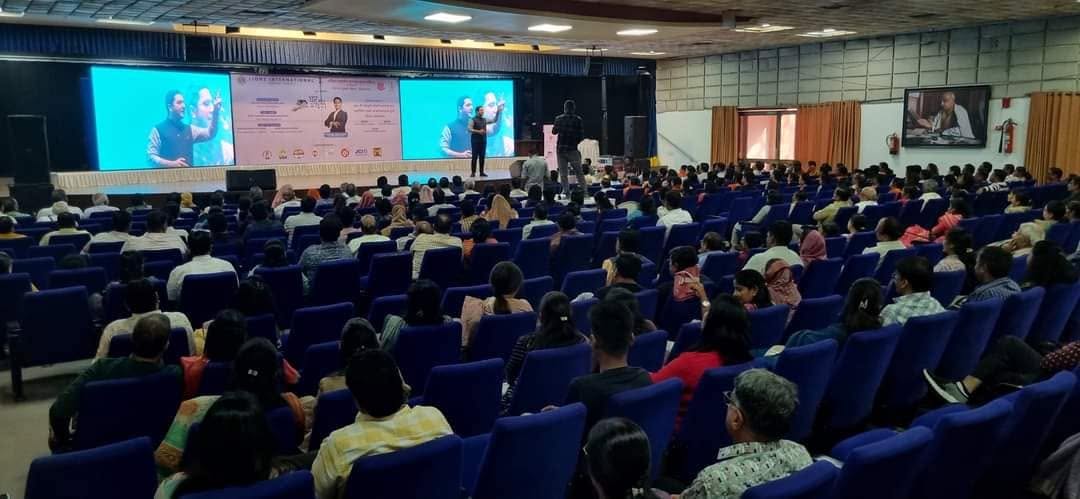
A lively classroom can be engaging, but it is still important to check the learning outcomes and assessment.
Does the certificate matter more than the learning?
A certificate may document completion of a program, but its meaning depends on who issues it, the curriculum, assessment and any independently verified recognition. Do not assume that all private certifications are government-recognised or equivalent to regulated professional qualifications.
Ask who issues the certificate, what conditions must be met, and whether external accreditation is claimed. If so, verify the claim directly with the named organisation.
Also be cautious about income promises. Neither online nor offline training guarantees clients, employment or a particular monthly income. Professional outcomes depend on competence, experience, service quality, demand and business development.
A simple decision matrix
Choose the format that best fits your circumstances, but use the same quality checks for both.
• Choose online if you need geographic flexibility and the program offers real interaction, practice and feedback.
• Choose offline if in-person discussion is important to your learning and the program provides sufficient depth and follow-up.
• Consider hybrid if you want flexible learning plus selected face-to-face practice, and the costs and schedule are manageable.
Do not choose solely because a course is marketed as “premium,” “best” or “most recognised.” Ask for evidence behind the claims.
Final thought
The right question is not simply “online or offline?” It is “Which program will help me learn responsibly, practise meaningfully and understand the boundaries of my role?”
Want to explore the Happy Parenting Club training pathway?

"Connection before correction. Awareness before advice. Love before lesson."
- Parikshit Jobanputra, 22+ years of parenting coaching
Frequently Asked Questions
Validity and recognition depend on the specific program and what its certificate represents. Check the issuer, curriculum, assessment and any external recognition. Do not assume online delivery alone makes a program either valid or invalid.
Not automatically. Compare practical training, feedback, trainer access, curriculum and completion requirements. The better fit depends on the learner and the quality of the program.
An online course may provide training, but becoming competent requires more than watching videos. Look for practice, feedback, ethical standards and clear boundaries. Verify the specific program’s requirements.
Compare the curriculum, trainer experience, practical exercises, assessments, support, fees and certificate terms. Verify accreditation claims directly and be wary of guaranteed income claims.
No. Certification does not guarantee clients, employment or earnings. Building a practice requires competence, trust, clear services and ongoing professional development.
Happy Parenting Club
- Parikshit Jobanputra
Join the Conversation
Share your thoughtsLoved a takeaway? Have a question? Drop a comment below - Parikshit personally reads every thoughtful response.
Join the FREE "Become a Certified Parenting Coach" Webinar
One live session with Parikshit Jobanputra explaining how parenting coach training works and how to evaluate a certification pathway.