Learn how social media can affect teenagers through comparison, FOMO and online pressure-and how parents can set healthy boundaries without constant fights.
Your teenager puts the phone down-but is the comparison still running in their mind?
A teenager scrolls through photographs of friends at a party, a classmate’s holiday, someone’s new phone and an influencer’s seemingly perfect life. Nothing obviously dramatic happens. Yet the teenager may start wondering: “Why is everyone else having more fun? Why don’t I look like that? Am I missing out?”
For parents, the visible problem may look like endless scrolling or a reluctance to put the phone away. The less visible problem may be comparison, peer pressure, fear of exclusion or a sense that everyone else is doing better.
Social media is not all harmful, and teenagers are not all affected in the same way. Online platforms can support friendship, creativity, learning and belonging. The goal is to help young people use them thoughtfully while recognising when online experiences are affecting their wellbeing.
What does research say about social media and teenagers?
The National Academies of Sciences, Engineering, and Medicine published a consensus report, Social Media and Adolescent Health, in 2024. Its review describes a complex picture: some features and experiences can harm some young people, while social media can also offer connection, community, enjoyment and support. The evidence does not justify treating every teen’s experience as identical or making a simple claim that social media is always good or always bad.
The report highlights the need for stronger evidence, safer platform design, privacy protections and digital/media literacy.
Source: National Academies of Sciences, Engineering, and Medicine, Social Media and Adolescent Health (2024): https://www.ncbi.nlm.nih.gov/books/NBK603435/
For parents, the practical lesson is to look at the teenager’s actual experience: what they see, how they feel afterward, how much time they spend online, whether sleep or schoolwork is affected, and whether they can take breaks without intense distress.
Why can social media comparison feel so powerful?
1. People usually share selected moments
A feed may show celebrations, achievements, attractive photographs and exciting outings-not the ordinary or difficult parts of a person’s life. Teenagers can compare their full day with someone else’s edited highlights.
2. Likes and comments can feel like social feedback
During adolescence, friendships and belonging can feel especially important. Public reactions may be interpreted as evidence of acceptance or rejection, even when the numbers do not tell the full story.
3. FOMO can keep attention locked in
Fear of missing out can make a teenager check messages or updates repeatedly. They may worry that a plan, joke or conversation will happen without them.

4. Algorithms shape what appears
Repeated exposure to certain types of content can narrow what a young person sees. If a feed repeatedly shows appearance-focused, extreme or distressing content, it may shape expectations and mood.
None of these experiences automatically means a teenager has a mental-health condition. Look for patterns and talk without judgement.
An illustrative family example from Mumbai
This is an illustrative scenario, not a verified participant testimonial.
A 15-year-old girl in Mumbai starts feeling left out after seeing photos of classmates meeting without her. She becomes quieter at dinner and checks her phone repeatedly. Her parents respond by saying, “Social media is a waste of time. Give us the phone.”
The argument grows, but the underlying worry remains unexplored.
A more helpful opening might be: “I’ve noticed you seem upset after checking your feed. Do you want to tell me what happened?” The parent listens first, then discusses practical boundaries and ways to stay connected with friends offline.
The aim is not to dismiss the feeling or immediately blame the platform. It is to help the teenager name the experience and decide what to do next.
Six practical ways parents can help

1. Start with curiosity, not accusation
Ask, “How do you usually feel after using this app?” rather than “You’re addicted to your phone.” Listen for whether the teen feels connected, entertained, pressured, excluded or upset.
2. Talk about curated content
Explain that posts often show selected moments and may be edited or filtered. Ask: “What might be happening in this person’s life that we can’t see in the post?”
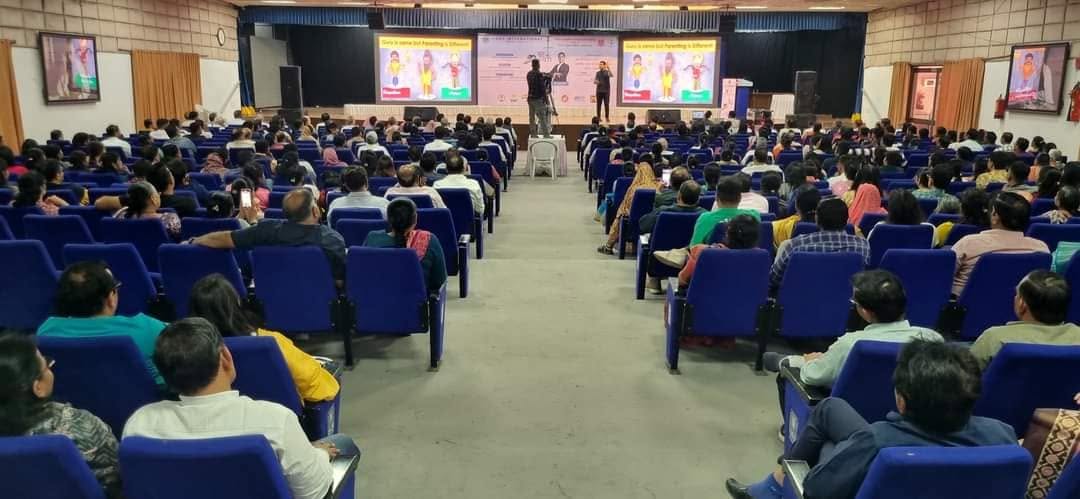
Join the FREE Happy Parenting Masterclass
A live session with Parikshit Jobanputra on calmer, more connected parenting - practical steps you can use at home.
3. Agree on screen-free routines
Protect sleep, meals, homework blocks and family time with realistic, consistent rules. Where possible, adults should follow the same expectations instead of making the child the only person with restrictions.
4. Review feeds together
Invite your teenager to notice which accounts leave them inspired, neutral or distressed. They can mute, unfollow or report accounts and use platform controls where appropriate.
5. Build offline belonging
Help your teen make time for friendships, sport, music, creative activities, volunteering or family routines. Do not frame offline activities as punishment for using a phone; make them genuinely enjoyable.
6. Teach safety and help-seeking
Discuss privacy, location sharing, personal information, scams, cyberbullying and what to do if someone sends threatening or sexual messages. Make it clear that your teenager can ask for help without being blamed for every online problem.
When should parents be more concerned?
Pay attention if online experiences appear linked to persistent distress, sleep disruption, withdrawal from usual activities, school difficulties, bullying, threats or a major change in mood or behaviour. Speak with a qualified professional or school support service when needed. If there is immediate danger or a threat of self-harm, seek urgent local help.
Avoid diagnosing a child based only on screen time or one emotional reaction. Context matters.
Final thought
The goal is not to raise a teenager who never uses social media. It is to help them recognise how online experiences affect them, make thoughtful choices and ask for help when something feels wrong.
Want more practical strategies for building a calmer, healthier family routine?

"Connection before correction. Awareness before advice. Love before lesson."
- Parikshit Jobanputra, 22+ years of parenting coaching
Frequently Asked Questions
No. Experiences vary. Social media can provide friendship and community, but some content and patterns of use can contribute to distress or other problems for some young people.
FOMO means “fear of missing out”-worry that others are having rewarding experiences without you. It may encourage repeated checking or make a teenager feel excluded.
Discuss the purpose of the rules, agree on protected times such as sleep and meals, model the same habits where possible, and review the arrangement together. Avoid making every conversation about the phone.
Safety and privacy need to be balanced according to age, maturity and risk. Set expectations transparently, explain when you may need to intervene and seek appropriate help if there are signs of exploitation, threats or serious harm.
Look for patterns in mood, sleep, relationships, schoolwork and activities-not only minutes spent online. Ask open questions and seek professional advice if concerns persist.
Happy Parenting Club
- Parikshit Jobanputra
Join the Conversation
Share your thoughtsLoved a takeaway? Have a question? Drop a comment below - Parikshit personally reads every thoughtful response.
Join the FREE Happy Parenting Masterclass
A live session with Parikshit Jobanputra on calmer, more connected parenting - practical steps you can use at home.