Why does your teenager talk back or get angry? Understand teen brain development and learn practical ways to reduce conflict and set clear boundaries.
“I’m only asking a simple question. Why does every conversation become an argument?”
If you are parenting a teenager, this may sound familiar.
You ask, “Have you finished your homework?” Your child replies, “Why are you always checking on me?” You ask them to put the phone away, and suddenly the conversation becomes a debate. A small request turns into raised voices, a slammed door or a sentence that hurts more than your child may realise.
In that moment, many parents wonder: “Is my child becoming disrespectful? Am I losing control? Have I done something wrong?”
Before labelling your teenager as rude or difficult, pause. Behaviour matters, but so does the context behind it. Adolescence brings changes in identity, relationships, emotional experiences and the desire for independence. Understanding these changes does not mean accepting disrespect. It helps you respond in a way that teaches rather than simply escalates.
In this article, we’ll explore why teenagers may talk back, what research says about emotional regulation, and five practical strategies parents can try at home.
Why does my teenager talk back?
There is no single explanation. Back-answering can be linked to frustration, feeling misunderstood, a desire for autonomy, stress, difficulty expressing emotions, family communication patterns or a boundary that feels unfair to the teen. Sometimes it is also simply a learned habit that needs a consistent response.
A useful question is not only, “How do I stop this behaviour?” but also, “What is happening just before it-and what happens after it?”
Notice the pattern:
• Does it happen when your teen is interrupted during gaming or social media?
• Is it more common around homework, marks or career expectations?
• Does it happen when instructions are given in front of siblings or relatives?
• Are arguments more likely when everyone is tired or rushed?
Patterns give you something practical to work with.
What does neuroscience tell us about teenage anger?
Adolescence is a period of continued brain development. Skills involved in planning, weighing consequences, managing impulses and regulating emotions continue to develop through the teen years and beyond. At the same time, social experiences, peer relationships and a growing need for independence can feel especially intense.
This does not mean teenagers cannot control themselves or that every angry response is “because of the brain.” It means emotional regulation is a skill that develops through experience, relationships, modelling and practice.
Harvard Health has described co-regulation as a supportive process in which an adult remains composed while helping a child or teen navigate strong emotions and gradually build self-regulation skills. The goal is not to remove every difficult feeling. It is to help the young person learn what to do with it.
Research from Harvard’s Center on the Developing Child also highlights the importance of responsive relationships in development. Much of its “serve and return” work focuses on early childhood, so it should not be treated as direct proof about every teenage conflict. Its broader lesson-that relationships and responsive interaction matter-can still inform how families communicate across development.
Research to explore:
• Harvard Health, “Co-regulation: Helping children and teens navigate big emotions”: https://www.health.harvard.edu/blog/co-regulation-helping-children-and-teens-navigate-big-emotions-202404033030
• Harvard Center on the Developing Child, “Serve and Return”: https://developingchild.harvard.edu/key-concept/serve-and-return/
An illustrative family example from Delhi
The following is an illustrative scenario, not a verified participant testimonial.
Imagine a family in Delhi whose 14-year-old son often responds sharply when his parents ask about homework or screen time. His mother repeats the instruction several times; his father steps in with a warning. The teen feels cornered, answers back, and the discussion turns into a lecture. Everyone walks away upset, and the original issue-homework or screen time-remains unresolved.
The family does not need a magic sentence. They need a different pattern: fewer repeated warnings, calmer conversations, clear boundaries and a predictable follow-through. The goal is not to win every argument. It is to make the next conversation more constructive.
Five practical strategies to try
1. Pause before responding
When your teen speaks rudely, take a breath and lower your voice before replying. A calm response is not weakness; it helps prevent the conflict from becoming a competition over who can be louder.
Try: “I want to hear what you’re saying. Let’s talk when we can both speak respectfully.”
2. Separate the feeling from the behaviour
Your teen is allowed to feel angry, disappointed or frustrated. They are not entitled to insult, threaten or intimidate others.
Try: “It’s okay to be angry. It’s not okay to call names. Tell me what you disagree with without insulting me.”
3. Listen first, then set the limit
Ask one genuine question and let your teenager finish. You do not have to agree with their view to show that you heard it.
Try: “You feel I’m checking on you too much. What would a fair homework check-in look like to you?”
4. Make boundaries specific and predictable
“Use your phone less” is vague. “Phones charge outside the bedroom at 10 p.m. on school nights” is clearer, provided the rule is age-appropriate and agreed upon as far as possible.
Explain the reason, discuss practical exceptions and follow through consistently. Avoid inventing a new punishment in the heat of an argument.
5. Repair after the conflict
When everyone is calm, return to the conversation. A parent can model accountability: “I raised my voice earlier. I’m sorry for that. We still need to discuss the rule, but I want to do it respectfully.”
Repair does not cancel boundaries. It shows how people take responsibility after mistakes.
What if the anger feels extreme?
If anger is persistent, escalating, includes threats or violence, seriously disrupts school or relationships, or appears alongside major changes in sleep, mood or daily functioning, consider speaking with a qualified mental-health professional or paediatric clinician. Parenting tips are not a substitute for individual assessment when a young person may need additional support.
Final thought
Your teenager does not need you to win every argument. They need you to guide them towards handling disagreement with more maturity-while you keep the boundaries clear.
Start with one change this week: pause before reacting, name the behaviour without labelling the child, and revisit the conversation when both of you are calmer.
Want more practical guidance on everyday parenting challenges?
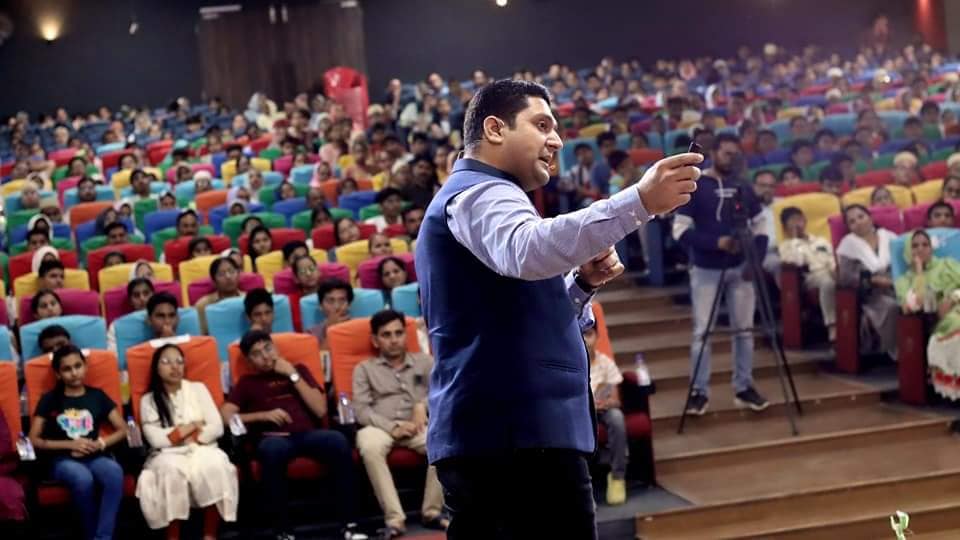
"Connection before correction. Awareness before advice. Love before lesson."
- Parikshit Jobanputra, 22+ years of parenting coaching
Frequently Asked Questions
Possible contributors include stress, social pressure, sleep difficulties, conflict, changes in independence and challenges with emotional regulation. Look for patterns and consider professional support if the change is severe or persistent.
Consequences may be appropriate for specific behaviour, but punishment delivered in anger can intensify conflict. Set clear expectations, use proportionate consequences and teach a respectful way to disagree.
Choose a calm time, give one clear instruction, listen to their perspective and agree on predictable boundaries. Consistency is usually more useful than repeating the same demand louder.
Disagreement and stronger emotions can occur during adolescence, but ongoing severe anger, threats, violence or major disruption should not be dismissed as “just teenage behaviour.” Seek appropriate professional advice when concerned.
Happy Parenting Club
- Parikshit Jobanputra
Join the Conversation
Share your thoughtsLoved a takeaway? Have a question? Drop a comment below - Parikshit personally reads every thoughtful response.
Join the FREE Happy Parenting Masterclass
A live session with Parikshit Jobanputra on calmer, more connected parenting - practical steps you can use at home.