Is your teenager always delaying homework? Understand procrastination, executive-function skills and practical ways parents can support focus without constant nagging.
“There is plenty of time”-until suddenly there isn’t
It is Sunday evening. Your teenager has known about the assignment for a week. The notebook is still closed, the phone is nearby, and the deadline is tomorrow morning.
You remind them. They say, “I’ll do it in five minutes.” You remind them again. Your voice gets sharper, your teenager becomes defensive, and now the argument is about attitude instead of the assignment.
Parents often describe this as laziness. But procrastination can have several causes: a task feels too large, the child does not know where to begin, they fear doing badly, they struggle to plan, they are distracted, or they are tired and overwhelmed.
Understanding the cause does not remove responsibility. It helps you teach the skills that make responsibility possible.
Why do teenagers procrastinate?
The task feels too big
“Study science” is vague and intimidating. “Read two pages and answer three questions” is easier to start.
Fear of failure or perfectionism
Some students delay starting because beginning makes the possibility of a mistake feel real. They may say they do not care, even when they care a great deal.
Planning and organisation are difficult
Executive-function skills help people plan, manage time, shift attention and monitor progress. These skills continue developing through adolescence. That does not mean teenagers cannot plan; it means some may need explicit practice and external supports.
Immediate rewards are easier to choose
A phone notification offers an immediate reward. Homework often offers a delayed one. A teenager may need help managing the environment rather than relying on willpower alone.

Sleep, stress or other difficulties
Poor sleep, anxiety, low mood, learning differences or attention-related difficulties can affect starting and completing work. If procrastination is persistent and affects many areas of life, consider discussing it with a qualified professional.
A 2024 self-report study of 132 adolescents in Mexico found associations between academic procrastination, social-media use and executive-function difficulties. It was a small, cross-sectional study in a specific sample, so it cannot prove that social media causes procrastination or represent all Indian teenagers. It does, however, illustrate why planning, emotional control and digital habits are worth exploring together.
Research reference: Romero-Méndez & Romero-Méndez (2024), “Academic procrastination, social media addiction and executive functions: A self-report study in adolescents.” https://doi.org/10.21555/rpp.vi38.3126
An illustrative family example from Delhi
This is an illustrative scenario, not a verified participant testimonial.
A parent in Delhi says their 15-year-old “never studies until the last minute.” Each evening begins with a reminder and ends with a disagreement. When they look more closely, the teen is not sure how to break a large assignment into steps and is embarrassed to ask for help.
The family tries a different approach: the teen chooses a first task that takes 10 minutes, the phone is kept outside the study space for one agreed work block, and the parent checks progress at a pre-agreed time rather than asking every few minutes.
This does not guarantee an instant transformation. It gives the teenager a repeatable structure to practise.
Five practical ways to help a teenager get started
1. Replace “go and study” with a first action
Ask: “What is the smallest useful step you can complete in the next 10 minutes?” Examples include opening the assignment, writing three headings or solving two questions.
2. Use short, planned work blocks
Agree on a realistic block of focused work followed by a short break. The exact duration should suit the student and task. A timer can help make the finish line visible.
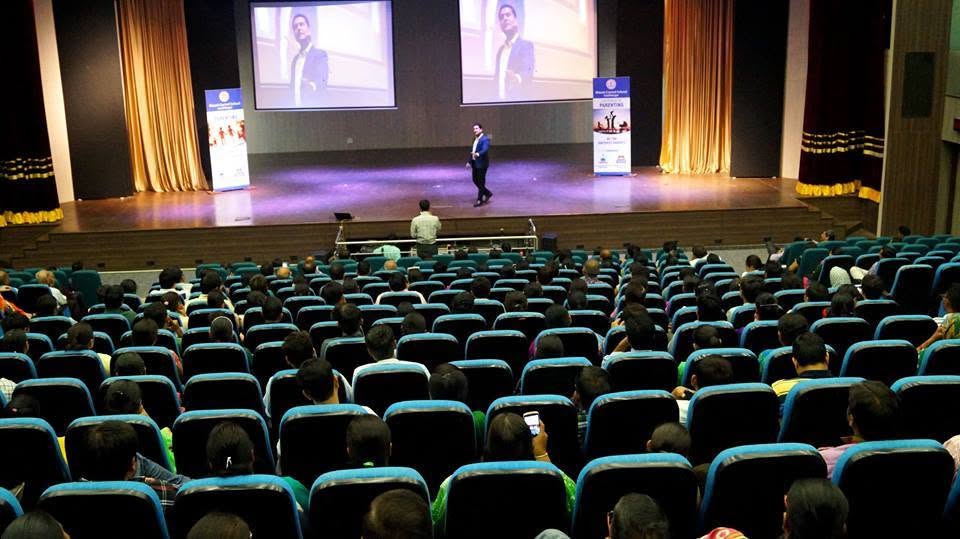
Join the FREE Happy Parenting Masterclass
A live session with Parikshit Jobanputra on calmer, more connected parenting - practical steps you can use at home.
3. Let your teenager help design the plan
Instead of controlling every minute, ask them to propose a study time, break time and check-in. Shared planning builds ownership while preserving parental guidance.
4. Reduce distractions before the work block
Agree on where the phone will be, which tabs are needed and what counts as a break. The aim is not to shame the child for distraction but to make the desired behaviour easier.
5. Praise the process, not only the marks
Notice starting on time, asking for help, returning after a break and reviewing mistakes. These are skills that can improve with practice.

What parents should avoid
• Calling a child lazy or irresponsible as a fixed identity.
• Comparing siblings or classmates.
• Turning every study reminder into a lecture.
• Doing the assignment for the child.
• Assuming every delay is caused by the phone.
• Expecting a perfect routine immediately.
A calm boundary is still appropriate: “The assignment is your responsibility. I can help you plan the first step, but I won’t do it for you.”
When should parents seek extra help?
Consider speaking with a teacher, school counsellor, paediatrician or qualified mental-health professional if difficulties are persistent, severe, occur across settings, or are accompanied by distress, major sleep changes, low mood or a sharp decline in functioning. The aim is to understand the need, not to label the teenager.
Final thought
Instead of asking only, “Why won’t my child study?”, try asking, “What is making it difficult to begin-and what skill can we practise next?”
For more practical ways to support your child’s behaviour, habits and confidence:
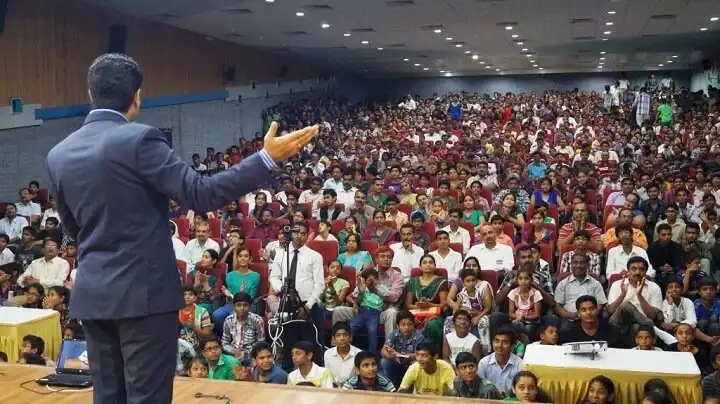
"Connection before correction. Awareness before advice. Love before lesson."
- Parikshit Jobanputra, 22+ years of parenting coaching
Frequently Asked Questions
Possible reasons include overwhelm, unclear tasks, fear of failure, distractions, planning difficulties, stress or sleep problems. Look for patterns rather than assuming one cause.
Help them set a specific first step, create a realistic plan, reduce distractions and review progress at agreed times. Motivation often grows when a task feels manageable and the teen experiences progress.
Not necessarily. It can reflect difficulties with task initiation, planning, emotions or the environment. Responsibility still matters, but the most useful response is to identify the barrier and build skills.
A clear, collaboratively designed phone boundary may help during study time. Avoid treating phone removal as the only solution; task planning, sleep, stress and learning needs may also matter.
There is no universal timeline. Start with one repeatable behaviour, review what works and adjust the plan. Seek support if the problem remains severe or disrupts daily life.
Happy Parenting Club
- Parikshit Jobanputra
Join the Conversation
Share your thoughtsLoved a takeaway? Have a question? Drop a comment below - Parikshit personally reads every thoughtful response.
Join the FREE Happy Parenting Masterclass
A live session with Parikshit Jobanputra on calmer, more connected parenting - practical steps you can use at home.