Feeling exhausted by parenting? Learn common signs of parental burnout, practical ways to reduce overload and when to seek support-without guilt.
You love your child. So why do you sometimes want everyone to stop asking you for something?
You wake up thinking about lunchboxes, school messages, deadlines, homework, meals, family responsibilities and tomorrow’s schedule. At work, you may be thinking about what is happening at home. At home, you may still be answering messages from work.
Then your child asks a simple question, spills something or refuses to cooperate-and you react more sharply than you intended. Later, guilt arrives: “Why did I shout? I should be more patient. Other parents seem to manage everything.”
If this feels familiar, it does not automatically mean you are a bad parent. It may mean your demands have exceeded the time, energy and support available to you.
Parenting can be deeply meaningful and genuinely exhausting at the same time. Understanding parental burnout is not about finding an excuse for hurtful behaviour. It is about recognising overload early enough to make changes and get support.
What is parental burnout?
Parental burnout is a state of intense, ongoing exhaustion related to the demands of parenting. It is different from an ordinary difficult day. A parent may feel emotionally drained, less able to cope with everyday parenting demands, or unlike the parent they remember being.
The American Psychological Association notes that parents of children under 18 have consistently reported higher levels of stress than adults without children in analyses of its Stress in America data. Its guidance recommends practical ways to manage parental stress and burnout.
Source: American Psychological Association, “What advice do psychologists have to offer on how parents can manage stress and burnout?” https://www.apa.org/topics/stress/parental-burnout
This does not mean every tired parent has burnout. Persistent exhaustion can also overlap with depression, anxiety, sleep problems, physical health conditions or other challenges. An article cannot diagnose the cause. If symptoms are severe, persistent or affecting daily functioning, consider speaking with a qualified health professional.
Signs that parenting stress may be becoming too much
Parents experience stress differently, but warning signs can include:
• Feeling exhausted even after a short rest
• Becoming irritated by ordinary requests more often than usual
• Feeling emotionally distant or operating on autopilot
• Feeling trapped by responsibilities or unable to ask for help
• Experiencing persistent guilt or believing you are failing at everything
• Having difficulty sleeping, concentrating or recovering after a stressful day
• Losing the sense of joy or connection you usually feel in family life
These signs are not a diagnostic checklist. They are reasons to pause, review your load and consider support.
Why can modern parenting feel relentless?
The invisible mental load
Parenting is not only doing tasks. It is remembering appointments, anticipating needs, monitoring school communication, planning meals, arranging transport and noticing when something is wrong. The mental work may be unevenly distributed even when both adults are busy.
Unrealistic standards
Social media can make it appear that good parents are endlessly patient, organised, available and successful. Real families have limits. Perfection is not a realistic measure of care.
Work and family demands collide
A parent may be expected to perform at work and remain fully available at home, with little transition time between roles. Without shared planning and boundaries, every day can feel like an emergency.
Little recovery time
Rest is not a luxury that must be earned only after every task is finished. Without regular recovery, small frustrations can become harder to manage.
Lack of support
Families may live far from relatives, have limited childcare options or feel embarrassed to ask for help. Isolation can make ordinary pressures feel heavier.
An illustrative family example from Bengaluru
This is an illustrative scenario, not a real participant testimonial.
A working mother in Bengaluru manages meetings, school updates, meals and her teenager’s study routine. She often checks homework late at night and feels guilty whenever she takes time for herself. When her child forgets a task, she snaps; later she apologises and promises to be more patient.
The family tries a practical change: instead of expecting her to remember everything, they make a shared weekly plan. The teenager takes responsibility for two agreed tasks, the other parent owns specific routines, and the mother protects a short recovery period after work. The plan does not remove every challenge, but it makes responsibilities more visible and shared.
The lesson is not that every family can solve burnout with a timetable. It is that support should change the load, not merely tell the exhausted person to become more efficient.
Five realistic ways to begin recovering
1. Replace “I must do everything” with “What must happen-and who can own it?”
Write down the tasks that repeat each week. Separate essential tasks from optional ones. Ask which can be shared, simplified, delayed or dropped.
Instead of saying, “Can you help me more?” try a specific agreement: “Can you take responsibility for school lunch preparation on Monday, Wednesday and Friday?” Ownership is clearer than vague help.
2. Build small recovery moments into the day
A ten-minute walk, quiet tea, stretching, breathing slowly or sitting without a screen will not solve structural overload. But brief pauses can provide a moment to reset. Protect them as routine, not as a reward for finishing every task.
Join the FREE Happy Parenting Masterclass
A live session with Parikshit Jobanputra on calmer, more connected parenting - practical steps you can use at home.
3. Lower the perfection standard
A healthy family does not need every meal, activity, homework session and conversation to be ideal. Ask, “What is good enough for today?” Save energy for the things that truly matter.
4. Use a repair plan for moments when you lose patience
If you shout, take responsibility without turning the apology into self-criticism: “I raised my voice. That was not okay, and I’m sorry. I was overwhelmed, but I am responsible for how I speak. Let’s talk about what happened.”
Then make a practical plan for the trigger. Repair matters, but it works best alongside a change in the pattern.
5. Ask for support before reaching a breaking point
Talk with a partner, trusted friend, family member, school support professional or qualified clinician. If your stress is persistent or you feel unable to function, professional support is appropriate-not a sign of failure.
How can partners reduce parental burnout together?
A useful conversation is not, “You never help me.” It is: “I am feeling overloaded, and the current arrangement is not sustainable. Can we review everything that needs to happen and assign clear ownership?”
Try a weekly 15-minute family logistics meeting:
• What must happen this week?
• Who is responsible for each task?
• Which tasks can children appropriately manage?
• Where is the busiest day?
• What can be simplified?
• When will each parent get recovery time?
Children can contribute age-appropriate responsibilities, but they should not be made responsible for an adult’s emotional wellbeing.
When should you seek professional help?
Seek support if exhaustion, irritability, sadness, anxiety or disconnection persists, worsens or affects relationships and daily life. A qualified health professional can help assess whether burnout overlaps with depression, anxiety, sleep issues or another condition. If you feel at risk of harming yourself or someone else, move to a safer situation and seek urgent local help.
Final thought
Your child does not need a parent who never gets tired. Your family needs a sustainable way of caring for one another-including you.
Start with one honest question this week: “What is one responsibility I can share, simplify or stop carrying alone?”
For more practical guidance on building calmer family routines and stronger parent-child connection:
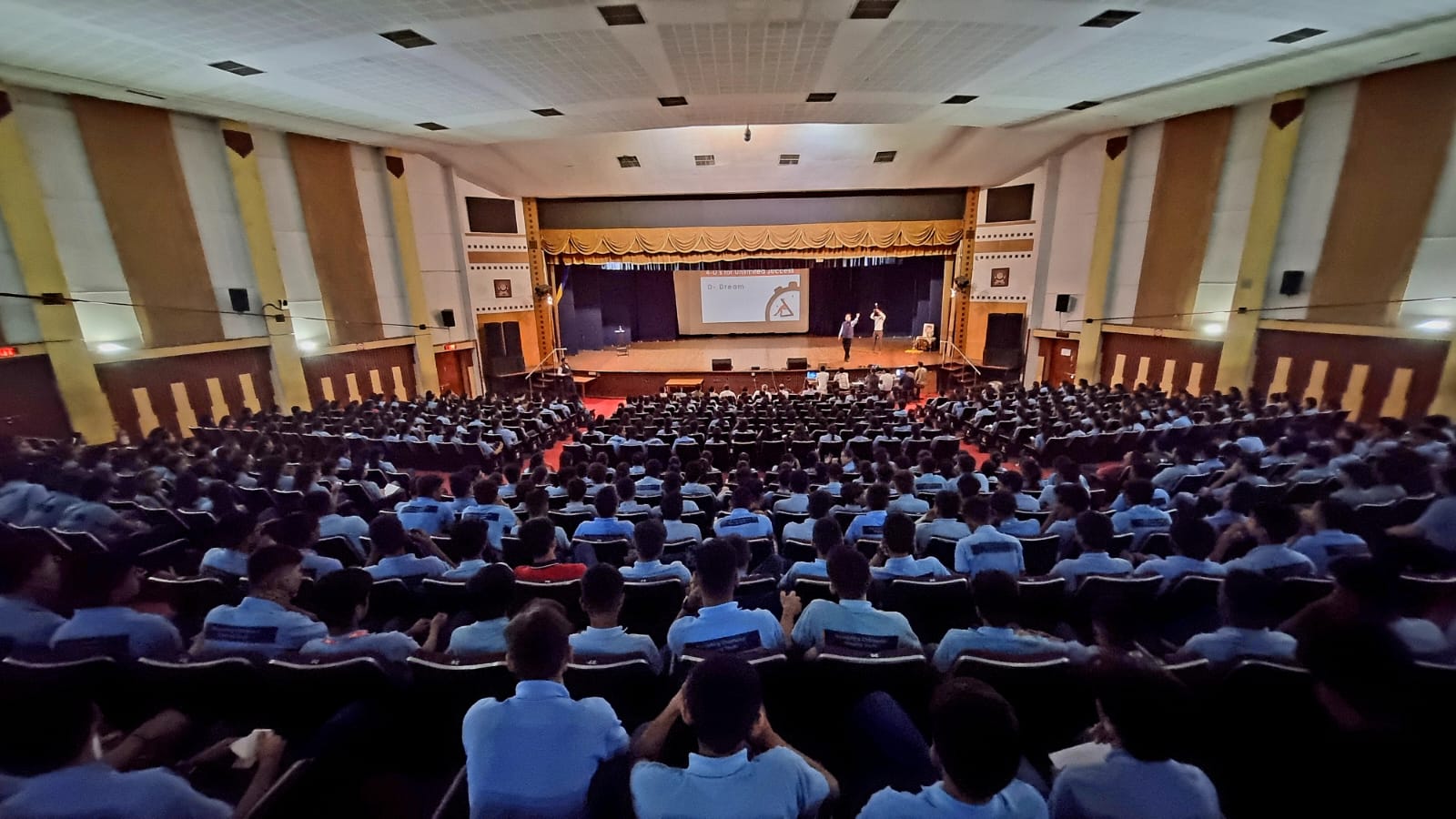
"Connection before correction. Awareness before advice. Love before lesson."
- Parikshit Jobanputra, 22+ years of parenting coaching
Frequently Asked Questions
Signs may include ongoing exhaustion, irritability, emotional distance, feeling trapped by parenting demands and difficulty recovering. These signs can have other causes, so seek professional advice if they persist or significantly affect daily life.
No. Everyday tiredness often improves with rest. Burnout involves more persistent exhaustion and difficulty coping with the demands of parenting. Only a qualified professional can assess an individual's situation.
Make invisible tasks visible, share clear ownership, set realistic standards, protect recovery time and ask for support. Better organisation can help, but it cannot replace adequate resources or professional care when needed.
No. Rest and support help parents maintain wellbeing. Self-care should complement-not replace-fair sharing of responsibilities and appropriate help.
Notice triggers, pause when safe, lower your voice and return to the conversation after calming down. Repair after mistakes and address the underlying overload. If anger feels uncontrollable or frequent, seek support.
Happy Parenting Club
- Parikshit Jobanputra
Join the Conversation
Share your thoughtsLoved a takeaway? Have a question? Drop a comment below - Parikshit personally reads every thoughtful response.
Join the FREE Happy Parenting Masterclass
A live session with Parikshit Jobanputra on calmer, more connected parenting - practical steps you can use at home.